




 Home
 News
 Colleges




 Courses
 Admission
 Lectures
 Online Test
 Past Papers
 Date Sheets
 Results
 Study Abroad
 Jobs
 Tutors
 More


 Apps


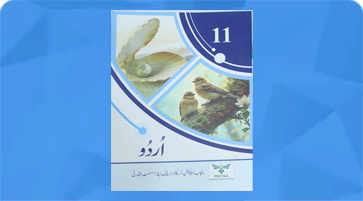
11th Class Urdu Online Video Lectures 2026 | 1st Year Urdu Syllabus



-
Full Book Introduction Full Book Introduction
-
Chapter 1 Hamd
-
Chapter 2 Naat
-
Chapter 3 Akhlaq-e-Nabawi
-
Chapter 4 Faaqah Mein Roza
-
Chapter 5 Makateeb e Ghalib
-
Chapter 6 Aik Ustad Adalat Ke Kuttharhrey Mein
-
Chapter 7 Charpai
-
Chapter 8 Aur Pakistan Ban Gya
-
Chapter 9 Naya Qanoon
-
Chapter 10 Dehleez
-
Chapter 11 Tareekh Ka Kafan
-
Chapter 12 Pakistani Zubanein Aur Unka Bahmi Rishta
-
Chapter 13 Ae Wadi-e-Lolab
-
Chapter 14 O Des Se Aane Wala Bata
-
Chapter 15 Azaadi
-
Chapter 16 Ikhlaas
-
Chapter 17 Khara Dinner
-
Chapter 18 Patta Patta Boota Boot Haal Hamara Jaane hai
-
Chapter 19 Sar Mein Soda Bhi Nahi Dil Mein Tamanna Bhi Nahi
-
Chapter 20 Be Chain Bohat Phirna Ghabraye Huwe Rehna
-
Chapter 21 Silsile Tor Gaya Woh Sabhi
-
Chapter 22 Baadbaa Khulne Se Pehly Ka Ishara Dekhna
-
Chapter 23 Grammar
-
Paper Pattern Paper Pattern
A Complete Video Course for 11th Class Urdu
Students of 11th Class Urdu often need more than a textbook to feel prepared, and this video lecture page is designed to fill that gap. The course begins with a full book introduction and then moves through every chapter in the order followed by the board. Each lecture is delivered in clear Urdu, so learners can focus on meaning instead of struggling with difficult explanations. Class 11th Urdu includes poetry, essays, short stories, travelogues and grammar, which means a single revision method rarely works for the whole book. Watching a teacher break each piece into manageable parts helps 1st year students understand the writer’s thought, the style of expression and the background of every lesson.




Starting with the Full Book Introduction
The book introduction lecture is a useful starting point for anyone who opens the Urdu textbook for the first time. It gives a general picture of how the book is arranged, what kinds of literary forms appear in it and how the chapters connect with the paper. Students learn that the book is not a random collection of pieces but a balanced selection of religious poetry, character sketches, humorous writing, patriotic themes and classical ghazals. With this overview, a learner can plan study time more wisely. Knowing in advance which sections are lighter and which need extra attention prevents panic later in the year, especially when school tests begin to overlap with other subjects.
Poetry Lectures from Hamd and Naat to the Ghazals
Poetry carries a large share of marks in the 11th Class Urdu syllabus, and the lectures treat it with patience. The opening chapters on Hamd and Naat are explained word by word so that students understand difficult vocabulary, poetic images and the devotion behind the verses. The later chapters include nazms and ghazals, and the teacher explains the central idea, the poet’s introduction, the literary devices and the meaning of each couplet. Students also learn how to write explanations in a structured way, which is a skill many of them find hard. Listening to the verses explained aloud makes rhythm and expression easier to grasp, and it helps learners remember couplets for the exam.
Prose Chapters, Essays and Humorous Writing
The prose section of 1st Year Urdu is varied and interesting, and the video lectures bring out that variety. Lessons such as Akhlaq-e-Nabawi, Charpai, Aur Pakistan Ban Gya, Dehleez and Tareekh Ka Kafan are discussed with a summary, a short introduction of the author and the main message. Humorous essays are explained so that students can notice the writer’s wit and style, while serious pieces are linked to their historical or social background. The lectures also show how to prepare questions on theme, characters and writing style. This approach turns lengthy chapters into clear points that can be revised quickly, and it reduces the habit of memorizing whole passages without understanding them.
Urdu Grammar and Paper Pattern Guidance
Grammar is the final chapter of the book, yet it often decides how confidently a student writes in the paper. The grammar lectures cover the topics included in the Class 11th Urdu syllabus and use plenty of examples so that rules do not feel abstract. Alongside grammar, the paper pattern lecture explains how marks are divided among objective questions, short answers, poetry explanations and long answers. Students understand what examiners expect and how much detail each question requires. When the syllabus and the pattern are studied together, preparation becomes more focused, and learners can spend their energy on the areas that carry the most weight instead of reading everything with equal effort.
Tips for Learning Better from Urdu Online Video Lectures
To make the most of 11th Class Urdu online video lectures, students should treat each video as a regular class. Watching one chapter at a time with the textbook open allows verses, vocabulary and examples to be matched with the explanation right away. Short notes written in a copy help with quick revision before tests. Since the videos can be paused and replayed, difficult couplets or grammar rules can be revisited as often as necessary. Parents and teachers can support learners by setting weekly targets and asking simple questions from completed chapters. With regular practice throughout 2026, this free resource can make Urdu one of the easiest and most enjoyable subjects of the year.
Class 11th-class Urdu Instructors

Muhammed Usama Ahmad Awan
M.A English(cont)Graduate from Bahauddin Zakariya University, Usama has been teaching classes of Matric, Intermediate and Bachelor’s for over 5 years
Syed Yasir Nisar
MBA (Finance)10 Years Teaching Experience of Accounting Literature at Lahore's top level institutes & Colleges
Javed Iqbal Iqbal
M.Phil.Phd (cont)10 Years Teaching Experience of Urdu Literature at Lahore's top level institutes & Colleges

Muhammad Usama Anas
MPhil in Urdu, with additional degrees in Arabic, Islamiat, and Education8 years of teaching experience in top institutes and colleges in Lahore, along with expertise in academic writing and digital education through syllabus-based video lectures on major e-learning platforms.
Share your comments & questions here
m hamid
15 Apr 2019Sir please, ap in me poetry bhi add kry jo tshri me likni ha!
waqar
14 Apr 2019very good
jamil
19 Nov 2018sir plaese
Parishay
19 Oct 2018Sir Urdu ki Talkhees bhi karwain Please
Muhammad Abdullah
18 Apr 2018Hmy urdu may kitny ashar add krny achy