




 Home
 News
 Colleges




 Courses
 Admission
 Lectures
 Online Test
 Past Papers
 Date Sheets
 Results
 Study Abroad
 Jobs
 Tutors
 More


 Apps


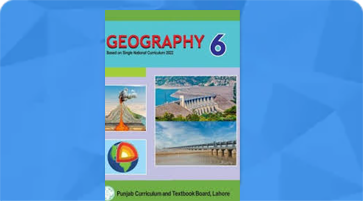
Free 6th Class Geography Online Video Lectures in Urdu - 2026



Class 6th Geography New Syllabus Video Lecture Series
The class 6th geography new syllabus video lecture series has been prepared to match the latest textbook used in schools. Many students and parents feel confused when a syllabus changes, because older notes and guides no longer fit the new chapters. This lecture series solves that problem by following the updated geography 6 class book from the first page to the last. Each lesson is explained in simple language, with maps, pictures, and diagrams that keep the screen interesting. The 6th class geography video lecture format allows learners to study at their own pace, pause difficult points, and return to them later. Everything is arranged in textbook order so that school lessons and online learning stay perfectly aligned.




What the New 6th Class Geography Book Contains
The new 6th class geography book is built around six chapters that move step by step from the inside of the earth to the way people shape the planet. The lecture page covers every part of the book, and the list below shows the full order of lessons available.
- Chapter 1: Structure of Earth and Types of Rocks
- Chapter 2: Mountains, Plateaus and Valleys
- Chapter 3: Climatic Regions of the World
- Chapter 4: Forests of the World
- Chapter 5: Natural Disasters
- Chapter 6: Changing Earth and Human Activity
This clear order helps students see the whole subject at a glance. Instead of treating each chapter as a separate topic, learners can understand how one idea leads naturally to the next in class 6th geography.
Full Book Introduction and the First Chapters
The full book introduction lecture is the best place to begin the new syllabus. It gives a short tour of the whole book, explaining how chapters are arranged and how to read headings, key terms, and exercises. Chapter 1 then opens the subject with the structure of the earth and the types of rocks. Students learn about the layers beneath the surface and how igneous, sedimentary, and metamorphic rocks are formed. Chapter 2 moves to the surface and explains mountains, plateaus, and valleys, showing how these landforms differ and how people live in each of them. Together, these early lessons give learners a strong base for the chapters that follow later in the book.
Climate, Forests and Natural Disasters Explained
The middle chapters of the new syllabus deal with the living and moving parts of the planet. Chapter 3 introduces the climatic regions of the world, helping students understand why some places are hot, cold, wet, or dry. Chapter 4 follows with the forests of the world, describing different forest types and the importance of trees for animals, people, and the environment. Chapter 5 explains natural disasters such as floods, earthquakes, and storms, along with simple ways of staying safe. The video lectures use maps, animations, and real examples to make these topics clear. This approach turns what could be a heavy reading task into an interesting and easy to follow learning experience.
Changing Earth and Human Activity in the Final Chapter
Chapter 6, Changing Earth and Human Activity, brings the whole book together in a meaningful way. The lecture explains how natural forces slowly reshape the land and how farming, building, mining, and cutting forests also leave a lasting mark on the surface of the earth. Students see that people are not only living on the planet but also changing it, which builds a sense of responsibility toward nature. Every chapter lecture also includes a clear explanation of the exercise at the end, so learners can check their understanding and correct mistakes early. Regular revision of this final chapter helps connect earlier lessons and prepares students well for tests and final examinations.
Class 6th-class Geography Instructors

Share your comments & questions here
No comments yet. Be the first to comment!